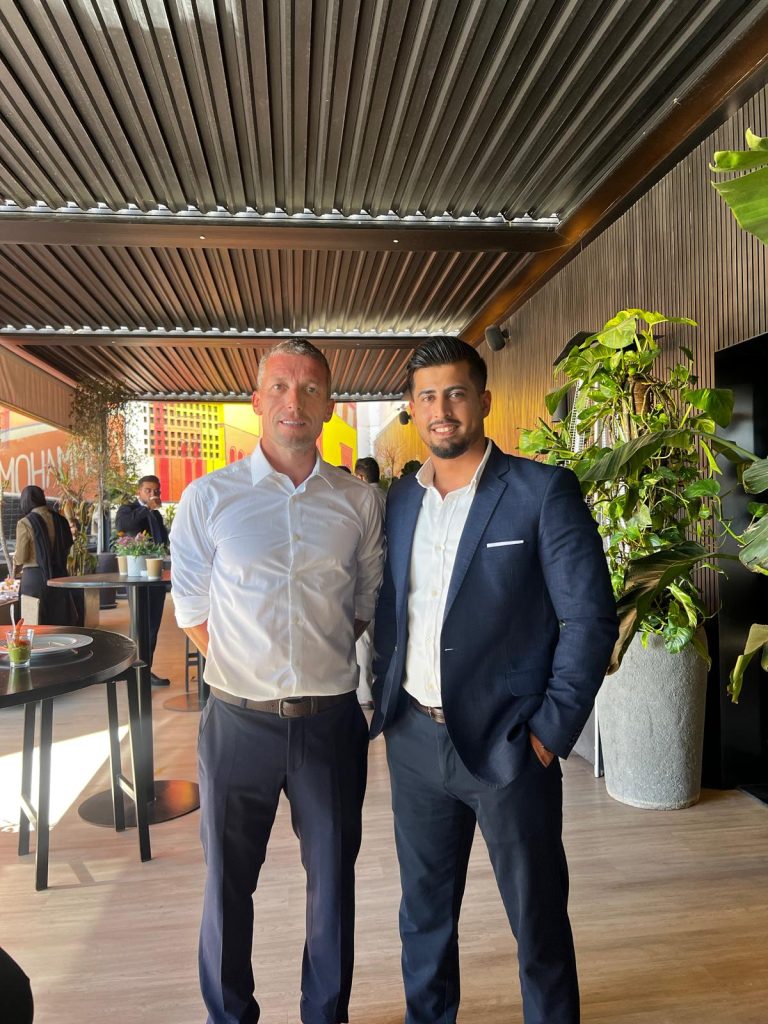
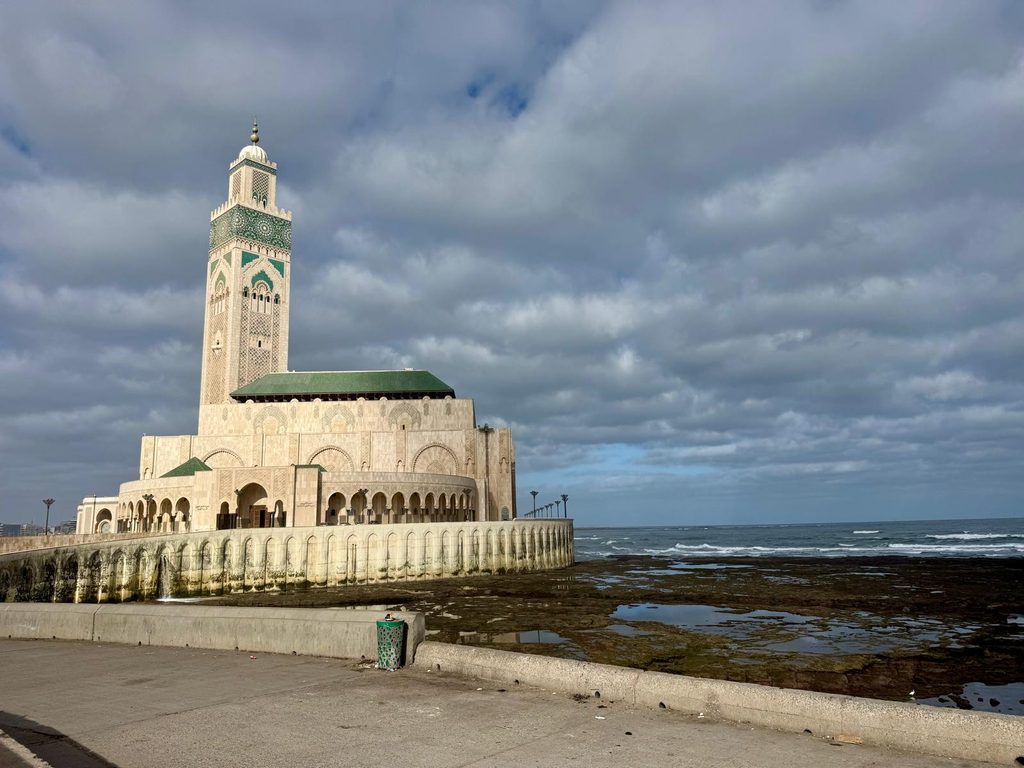
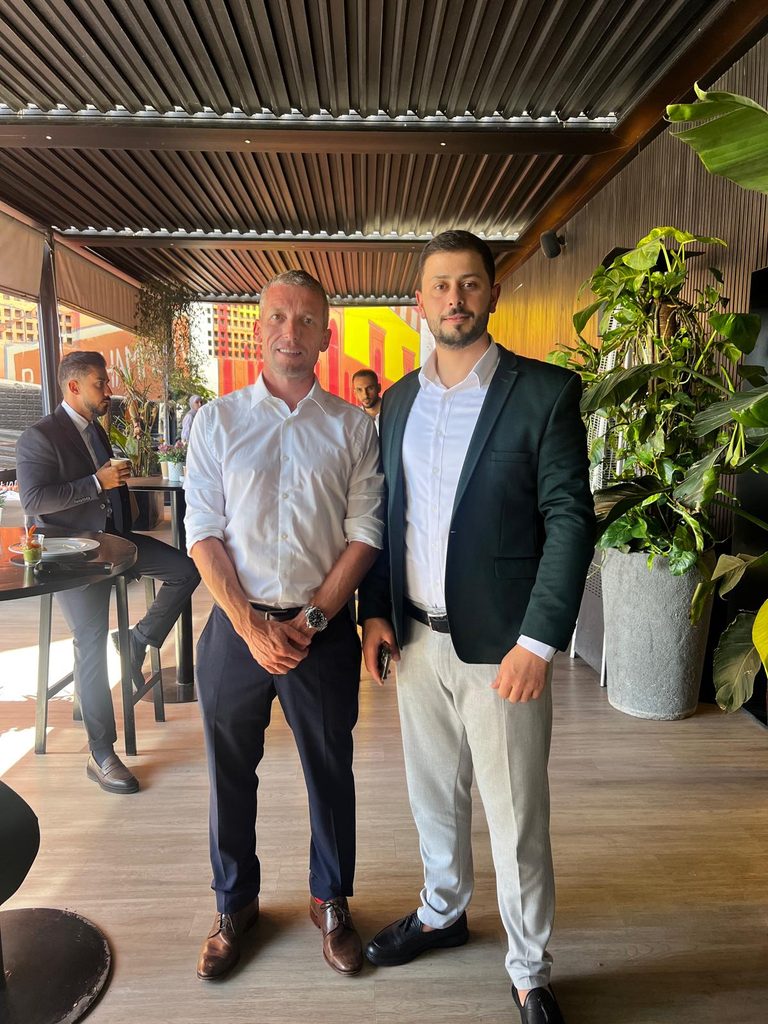
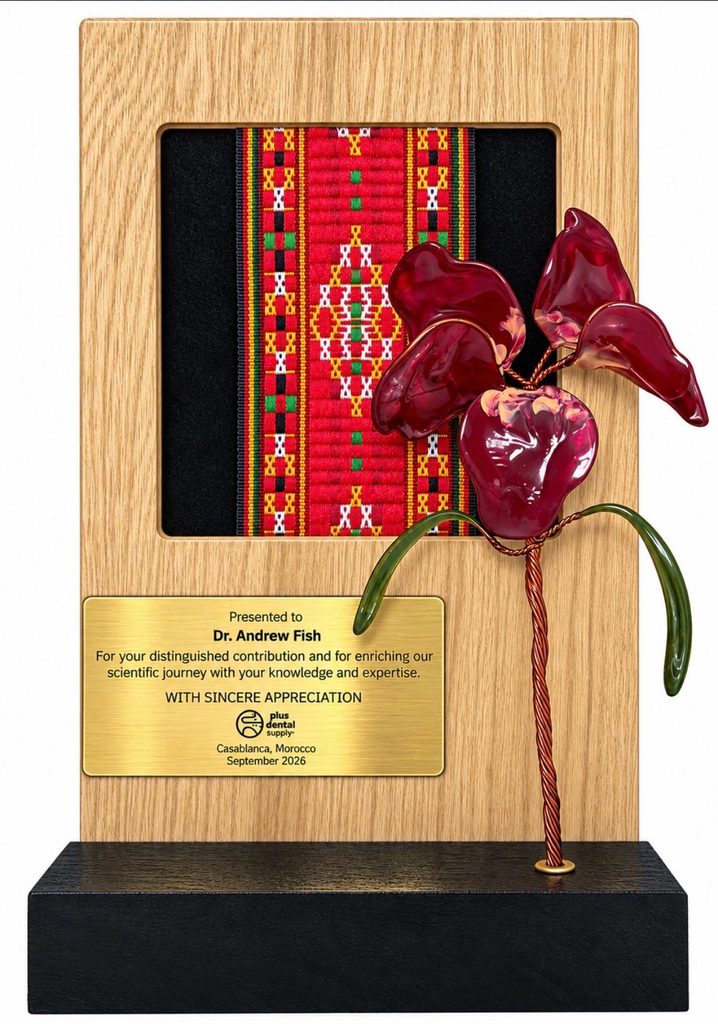
Dr Andrew Fish of FM Dental & Implant Centre in St Helier recently travelled to Casablanca, Morocco, after being invited to lecture on dental implant surgery, bone grafting and the latest developments in synthetic grafting materials.
The event brought together dentists from across the region, including a group of around 80 who travelled from Jordan specifically for the programme.
Sharing our implant protocols
During the morning session, Andrew presented the dental implant and bone grafting protocols he uses with patients at FM Dental & Implant Centre in Jersey.
A particular focus was the use of fully synthetic grafting materials in implant dentistry: how they can be used to manage bone defects, support implant placement and simplify certain surgical procedures.
Andrew also talked through how synthetic graft materials have evolved, the newer generation of products now becoming available, and clinical cases showing how these techniques fit into everyday dental implant treatment.
What is bone grafting, and why does synthetic matter?
When a tooth is lost, the jawbone that once supported it can gradually shrink. A dental implant needs enough healthy bone around it to stay stable, so where bone has been lost, a graft can be used to rebuild the area, either before or at the same time as the implant is placed.
Grafting material has traditionally come from the patient’s own body, from human donors or from animal sources. Fully synthetic materials are made in a laboratory and contain no human or animal tissue. For some patients that matters for personal, ethical, dietary or religious reasons, and it also means no second surgical site is needed to harvest bone.
Not everyone needs a graft. Whether you do, and which material would suit you, depends on your own situation and is something we’ll talk through at your implant consultation.
An evening with Moroccan dentists
After the main lecture, Andrew was invited to join a study club for local Moroccan dentists. The smaller group made for a more hands-on discussion about implant surgery, grafting techniques and clinical decision-making.
It was a fantastic event and a great chance to swap ideas with clinicians working in very different healthcare systems. It was also a reminder that many of the challenges we face in implant dentistry are remarkably similar wherever in the world we practise.
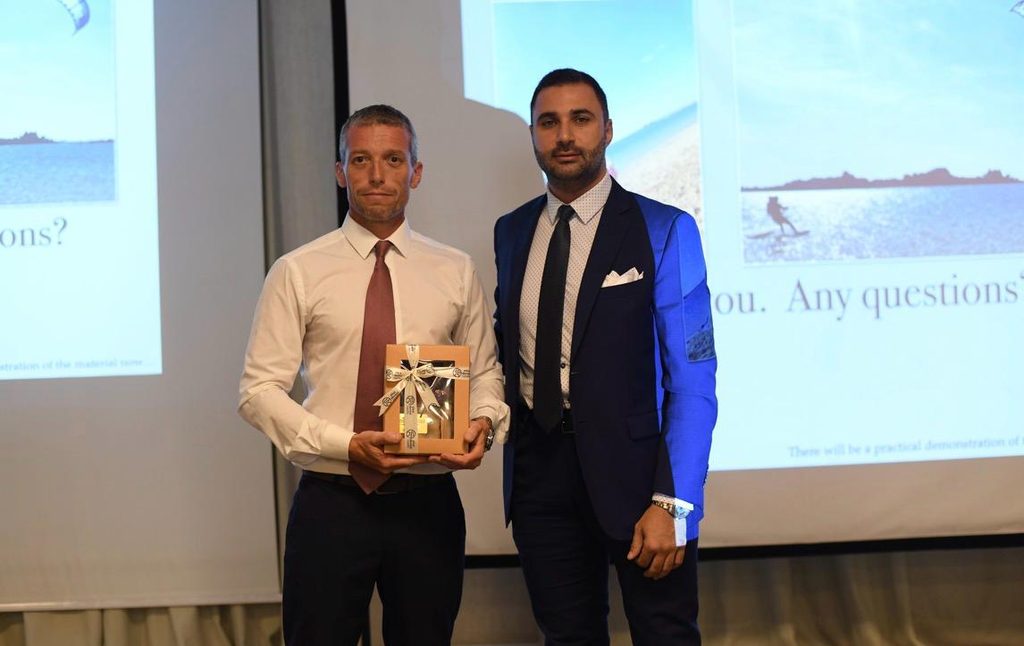
From Jersey to an international audience
FM Dental is firmly rooted in Jersey, but we believe there’s enormous value in being involved with dentistry beyond the Island.
Teaching abroad means sharing our own experience, and it also gives us the chance to learn from other clinicians, discuss emerging techniques and technology, and bring that knowledge back to the treatment we provide for patients here in Jersey.
Being invited to teach our clinical protocols internationally is something we’re extremely proud of as a practice.
The Casablanca visit has already led to an invitation for Andrew to lecture in Jordan over the coming months, which we’re very much looking forward to.
A huge thank you to the organisers in Morocco and Jordan, and to every dentist who travelled to attend. The hospitality was exceptional, and it was a privilege to be part of such an enthusiastic group.
Next stop: Jordan!
Frequently asked questions
Yes. Andrew’s lecturing is in addition to his clinical work, and he continues to treat patients at FM Dental & Implant Centre in St Helier. You can read more about Andrew here.
Not necessarily. It depends on how much bone is available where the implant is planned. We assess this at your consultation, usually with a scan, and explain your options before any treatment goes ahead.
They can come from your own body, from human donors, from animal sources, or be made entirely in a laboratory. Fully synthetic materials contain no human or animal tissue.
If you’re missing one or more teeth and would like to find out whether implants are right for you, book a consultation at our St Helier practice or get in touch with the team.